What is Chiropractic?
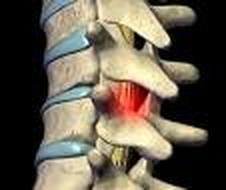
Chiropractic is a branch of the healing arts based upon the understanding that good health depends, in part, upon a normally functioning nervous system (especially the spine, and the nerves extending from the spine to all parts of the body). "Chiropractic" comes from the Greek word chiropraktikos, meaning "effective treatment by hand." Chiropractic stresses the idea that the cause of many disease processes begins with the body's inability to adapt to its environment. It looks to address these diseases not by the use of drugs and chemicals, but by locating and adjusting a musculoskeletal area of the body which is functioning improperly.
What conditions benefit from chiropractic care?
Although chiropractic is used most frequently to relieve low back pain, studies have found it to be effective for a variety of conditions, such as migraine headaches, neck and shoulder pain, carpal tunnel syndrome, fibromyalgia, and infantile colic.
Does Chiropractic hurt?
Under normal circumstances, adjustments don't hurt. The patient may experience a minor amount of discomfort during the adjustment which lasts only seconds.
Is Chiropractic safe?
Chiropractic adjustments or manipulations are extremely safe. Chiropractic has an excellent safety record. It is the result of a conservative approach to health that avoids invasive procedures or addictive drugs.
What kind of education and training do doctors of chiropractic have?
After completing undergraduate requirements, Chiropractors receive an additional four years education that emphasizes neuromuscular diagnosis and treatment. Preparation for the practice of chiropractic is concentrated on three areas of learning; basic training in the biological and health sciences (anatomy, physiology, histology, biochemistry, clinical and radiological diagnosis); specialized training in the chiropractic discipline (theoretical studies, practice, diagnosis and applications); and extensive clinical training.
Prior to starting a practice, candidates must pass a series of rigorous National Board Examinations and state licensing board exams before being granted the privilege to practice.
A chiropractic education never ends. Doctors must complete postgraduate classes for license renewal and to stay current on the latest scientific research.
Have any studies been published showing what chiropractic is effective for?
Several studies have documented the effectiveness of chiropractic in relieving back pain. More recent studies have shown chiropractic to be effective in treating infantile colic and migraine headaches.
What can I expect on my first visit?
The first thing a chiropractor will do is ask you about the health complaints about which you are chiefly concerned. The DC will also ask about your family history, dietary habits, other care you may have had (chiropractic, osteopathic, medical, etc.), your job, and other questions designed to help determine the nature of your illness and the best way to go about treating the problem.
A physical examination will be performed in accordance with your DC's clinical judgement, which may include x-rays, laboratory analysis and other diagnostic procedures. In addition, a careful spinal examination and analysis will be performed to detect any structural abnormalities which may be affecting or causing your condition. All of these elements are important components of your total health profile, and vital to the doctor of chiropractic in evaluating your problem.
How does your office differ from other chiropractors?
Our technique offers not only relief of symptoms, but correction of poor posture responsible for pain and discomfort. Our office uses various traction techniques to restore proper spinal curves.
Chiropractic is a branch of the healing arts based upon the understanding that good health depends, in part, upon a normally functioning nervous system (especially the spine, and the nerves extending from the spine to all parts of the body). "Chiropractic" comes from the Greek word chiropraktikos, meaning "effective treatment by hand." Chiropractic stresses the idea that the cause of many disease processes begins with the body's inability to adapt to its environment. It looks to address these diseases not by the use of drugs and chemicals, but by locating and adjusting a musculoskeletal area of the body which is functioning improperly.
What conditions benefit from chiropractic care?
Although chiropractic is used most frequently to relieve low back pain, studies have found it to be effective for a variety of conditions, such as migraine headaches, neck and shoulder pain, carpal tunnel syndrome, fibromyalgia, and infantile colic.
Does Chiropractic hurt?
Under normal circumstances, adjustments don't hurt. The patient may experience a minor amount of discomfort during the adjustment which lasts only seconds.
Is Chiropractic safe?
Chiropractic adjustments or manipulations are extremely safe. Chiropractic has an excellent safety record. It is the result of a conservative approach to health that avoids invasive procedures or addictive drugs.
What kind of education and training do doctors of chiropractic have?
After completing undergraduate requirements, Chiropractors receive an additional four years education that emphasizes neuromuscular diagnosis and treatment. Preparation for the practice of chiropractic is concentrated on three areas of learning; basic training in the biological and health sciences (anatomy, physiology, histology, biochemistry, clinical and radiological diagnosis); specialized training in the chiropractic discipline (theoretical studies, practice, diagnosis and applications); and extensive clinical training.
Prior to starting a practice, candidates must pass a series of rigorous National Board Examinations and state licensing board exams before being granted the privilege to practice.
A chiropractic education never ends. Doctors must complete postgraduate classes for license renewal and to stay current on the latest scientific research.
Have any studies been published showing what chiropractic is effective for?
Several studies have documented the effectiveness of chiropractic in relieving back pain. More recent studies have shown chiropractic to be effective in treating infantile colic and migraine headaches.
What can I expect on my first visit?
The first thing a chiropractor will do is ask you about the health complaints about which you are chiefly concerned. The DC will also ask about your family history, dietary habits, other care you may have had (chiropractic, osteopathic, medical, etc.), your job, and other questions designed to help determine the nature of your illness and the best way to go about treating the problem.
A physical examination will be performed in accordance with your DC's clinical judgement, which may include x-rays, laboratory analysis and other diagnostic procedures. In addition, a careful spinal examination and analysis will be performed to detect any structural abnormalities which may be affecting or causing your condition. All of these elements are important components of your total health profile, and vital to the doctor of chiropractic in evaluating your problem.
How does your office differ from other chiropractors?
Our technique offers not only relief of symptoms, but correction of poor posture responsible for pain and discomfort. Our office uses various traction techniques to restore proper spinal curves.